CENTENARIANS
Doubled in twenty years
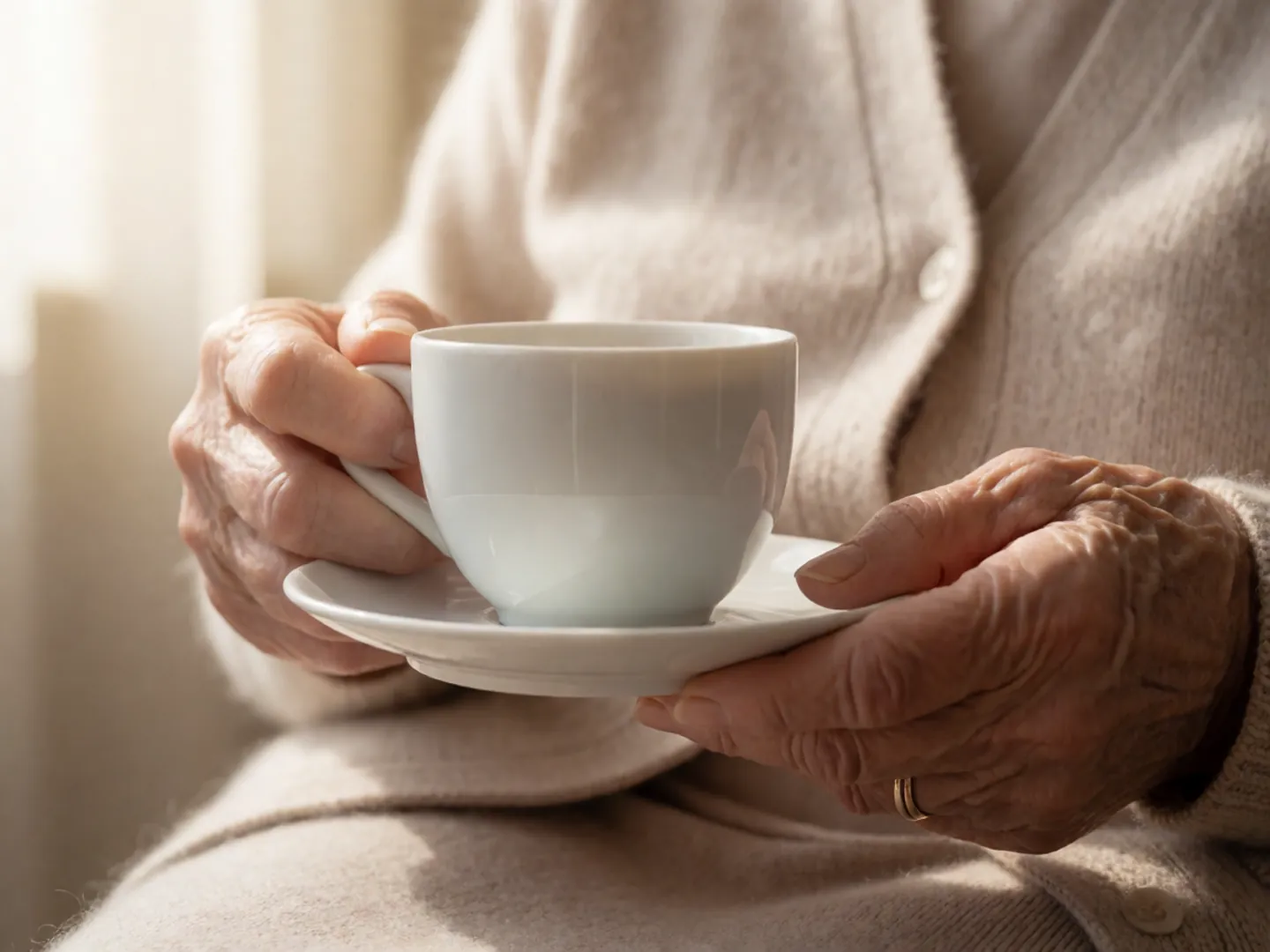
The ONS estimates there were 16,600 centenarians in the UK in 2024, up from 8,300 in 2004. In 1983 there were about 3,000.
See the numbers doodlehappybirthday
WHAT THE FIGURES SAY
A 100th birthday used to be a rare event.
Check the chances
16,600centenarians in 2024
UK statistics show it is becoming much less rare. The number of centenarians has doubled in twenty years, men are catching up with women, and today's babies have a real chance of seeing their own hundredth.
Updated
THE SHORT ANSWER
Three findings from the Office for National Statistics,
the UK's official statistics body.
CENTENARIANS
The ONS estimates there were 16,600 centenarians in the UK in 2024, up from 8,300 in 2004. In 1983 there were about 3,000.
See the numbersWOMEN AND MEN
Men made up 18.5% of centenarians in 2024. Male centenarians trebled between 2004 and 2024, from 910 to 3,100, while women almost doubled.
Check the chancesTHE NEXT GENERATION
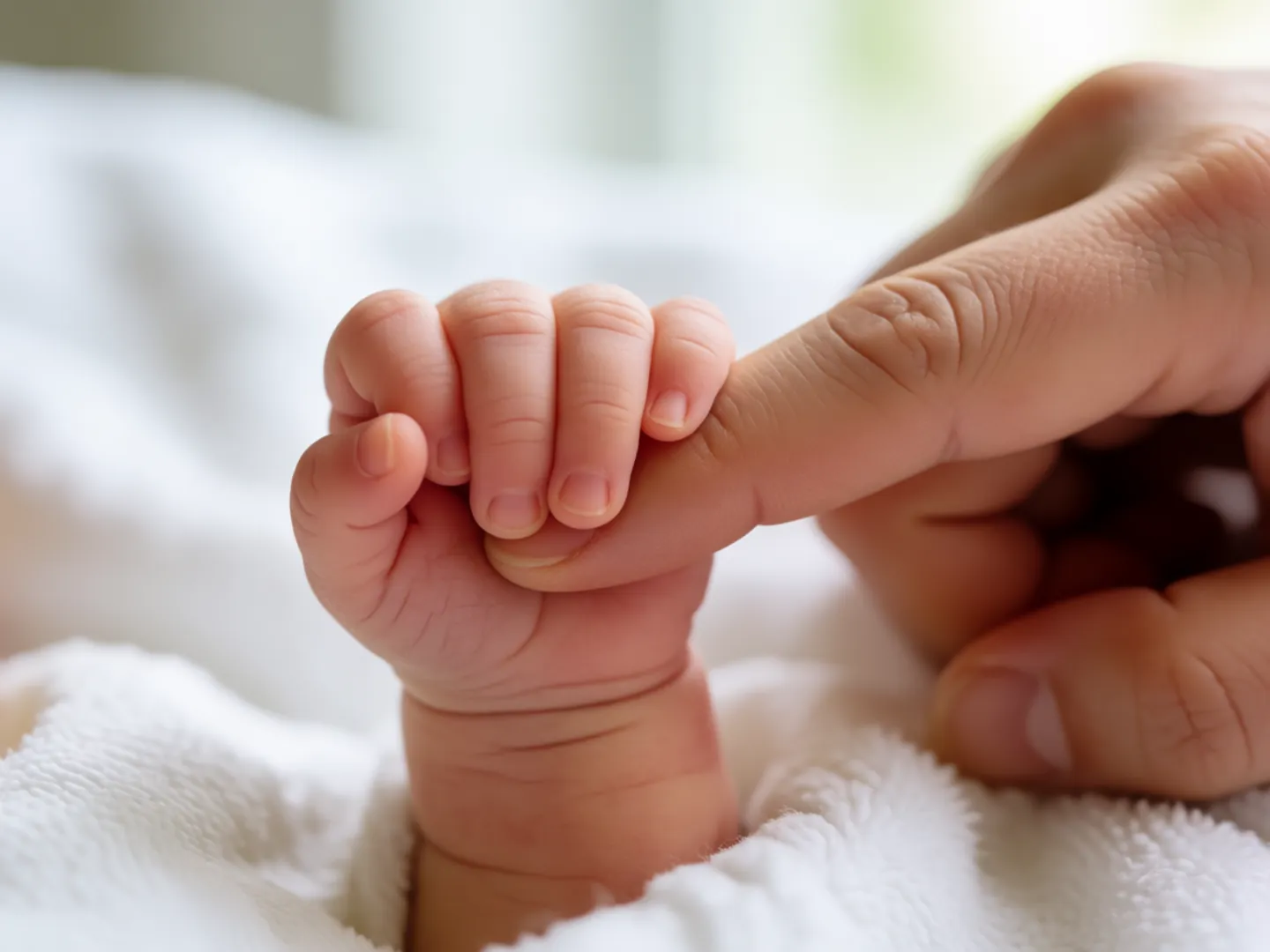
In 2016 the ONS projected that about one in three babies born that year would live to see their 100th birthday.
Why it is risingA QUICK CHANCES CHECK
Pick a group to see what the ONS projected in 2016. The bar shows the chance of reaching a 100th birthday.
Based on the ONS article What are your chances of living to 100? (2016). These are population averages that assume health keeps improving; they say nothing about any one person.
TWO NUMBERS WORTH KNOWING
One count of today's centenarians,
one count of everyone aged 90 and over.
16,600
People aged 100 and over in the UK
Double the 8,300 of 2004. Wales had the highest rate in the UK, at 25.9 centenarians per 100,000 people, and the rate rose in all four UK countries.
CENTENARIANS · ONS 2024
625,000
People aged 90 and over in the UK
Up 53.7% since 2004. Of these, 84.5% were aged 95 or younger, but the fastest growth has been at the oldest ages.
AGED 90 AND OVER · ONS 2024
The ONS says changes in the older population are largely explained by improvements in life expectancy and by historic birth patterns, such as the dip in births during the First World War.
FOUR THINGS TO KNOW
Statistics about very long lives are easy to misread. The ONS notes a few points worth keeping in mind.
National life tables reflect current death rates at each age, not a true estimate of how long someone will live.
Chances of reaching 100 assume that improvements in mortality will continue.
Low births during the First World War meant fewer centenarians just before 2020, then a rapid rise in 2020 and 2021.
Cohort figures do not consider lifestyle or health conditions that affect any one person.
WHY THE NUMBER IS RISING
The ONS links rising longevity to improved healthcare and lifestyle changes, such as fewer people smoking. In 2022 to 2024, life expectancy at birth in the UK was 83.0 years for females and 79.1 years for males.
The centenarian count also follows births 100 years earlier. It rose quickly in 2020 and 2021, matching the rise in births just after the First World War, and recent growth is largely explained by people living longer.
Questions
The ONS estimates there were 16,600 centenarians in the UK in 2024, double the 8,300 in 2004.
Female. Men made up 18.5% of centenarians in 2024, though the number of male centenarians trebled between 2004 and 2024 while the number of women almost doubled.
In 2016 the ONS projected that about one in three babies born that year would see their 100th birthday: 35.2% of girls and 28.4% of boys.
Wales, with 25.9 centenarians per 100,000 people in 2024, the highest rate of the four UK countries.
Because of births 100 years earlier. Fewer babies were born during the First World War, followed by a rapid rise in births after it.
ABOUT THIS NAME
doodlehappybirthday.com is part of the DoodleSale portfolio. It isn't in an auction right now, but you can ask about leasing it.